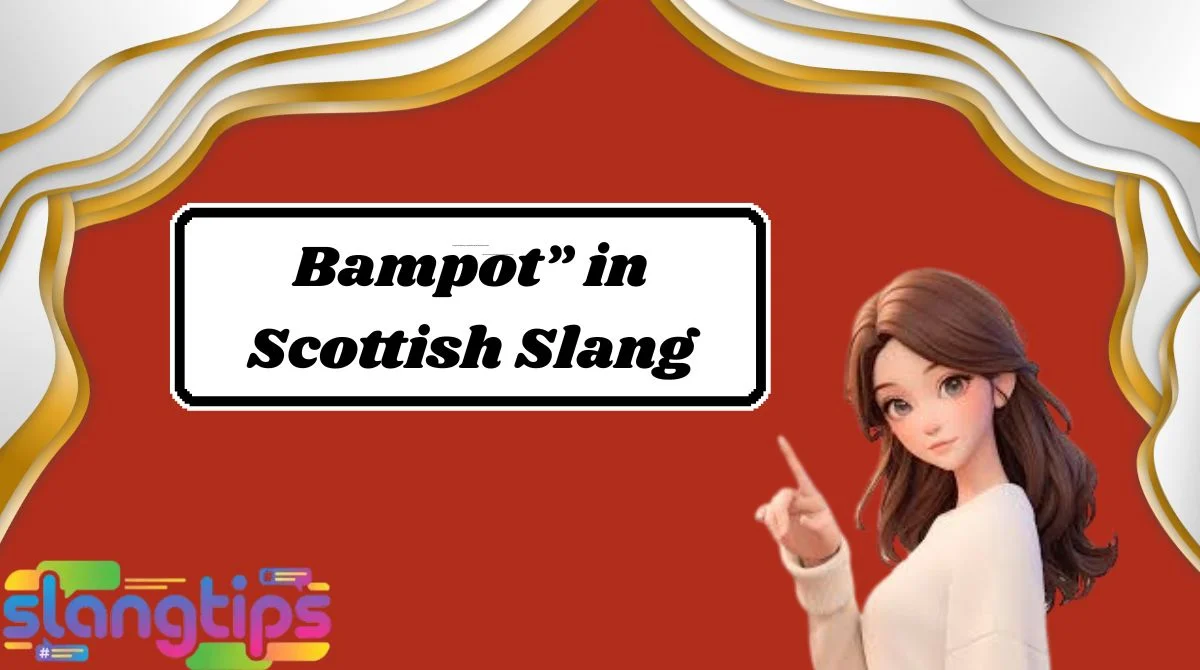
You’re standing at a busy corner in Glasgow. Two friends are laughing, one nudges the other and says, “Och, you absolute bampot!”
Instead of anger, both burst into laughter.
To an outsider, it sounds like an insult. To them, it’s something else entirely—half-joke, half-affection, a signal that you’re in on the culture.
That’s the essence of slang.
Slang isn’t just vocabulary—it’s social currency. It tells you who belongs, who understands, and who doesn’t. Words like “bampot” aren’t created in classrooms; they emerge organically from lived experiences—streets, pubs, friend groups, online forums.
They evolve because people need expressive shortcuts: ways to show humor, frustration, affection, or rebellion without long explanations.
Over time, slang becomes identity. It marks region, class, age group, and even attitude. In Scotland, especially in urban spaces like Glasgow, slang carries a rhythm and emotional tone that standard English simply can’t replicate.
So when someone says “bampot,” they’re not just describing a person—they’re performing culture.
The psychology and culture behind “bampot”-style slang
Scottish slang, including “bampot,” often operates in a fascinating emotional space: it blends insult with affection. That duality is key.
Emotional tone
“Bampot” typically describes someone foolish, reckless, or slightly unhinged—but the tone can swing wildly:
- Light teasing among friends
- Mild annoyance
- Genuine insult depending on delivery
Tone is everything. The same word can bond or offend.
Social meaning
Using words like “bampot” signals:
- Regional pride (especially Scottish identity)
- Informal intimacy
- Cultural fluency
If you use it correctly, you’re inside the group. Use it wrong, and you stand out instantly.
Online culture impact
Social media has amplified regional slang:
- Scottish TikTok and Twitter have pushed words like “bampot” globally
- Memes often exaggerate these terms, turning them into identity badges
Pop culture influence
Scottish comedians, TV shows, and football culture play a big role. Characters who use slang authentically make it “cool” or recognizable.
Social signals
“Bampot” and similar slang can communicate:
- Humor → “You’re ridiculous, but I like you”
- Sarcasm → “Nice one… not”
- Rebellion → Rejecting formal language norms
- Bonding → Shared linguistic code
18 slang terms grouped by tone
A. Positive / Praise Slang
1. Sound
• Meaning: Reliable, trustworthy person
• Tone: Friendly
• Text: “Cheers mate, you’re sound”
• Speech: “He helped me out—proper sound guy”
• Formal: Dependable
2. Legend
• Meaning: Someone admirable or impressive
• Tone: Warm admiration
• Text: “You fixed it? Legend!”
• Speech: “She brought snacks—what a legend”
• Formal: Exceptional person
3. Cracking
• Meaning: Excellent or enjoyable
• Tone: Enthusiastic
• Text: “That night was cracking”
• Speech: “Cracking game today!”
• Formal: Outstanding
4. Class
• Meaning: High quality or impressive
• Tone: Casual praise
• Text: “That outfit is class”
• Speech: “This place is pure class”
• Formal: High-quality
5. Belter
• Meaning: Something amazing or intense
• Tone: Energetic
• Text: “That song is a belter”
• Speech: “What a belter of a goal!”
• Formal: Remarkable
6. Top lad / Top lass
• Meaning: Respectable, likable person
• Tone: Friendly respect
• Text: “He’s a top lad honestly”
• Speech: “She’s a top lass, always helpful”
• Formal: Highly regarded individual
B. Funny / Playful Slang
7. Bampot
• Meaning: A confused, silly, or unpredictable person
• Tone: Playful / teasing
• Text: “Stop it ya bampot 😂”
• Speech: “He jumped in the river—absolute bampot!”
• Formal: Foolish individual
8. Numpty
• Meaning: A harmlessly foolish person
• Tone: Lighthearted
• Text: “I forgot again, I’m such a numpty”
• Speech: “Don’t be a numpty, check twice!”
• Formal: Absent-minded person
9. Rocket
• Meaning: Someone acting wildly or irrationally
• Tone: Humorous exaggeration
• Text: “He went mental—total rocket”
• Speech: “You’re a rocket today!”
• Formal: Overly impulsive person
10. Dafty
• Meaning: Someone silly in a lovable way
• Tone: Affectionate
• Text: “You wee dafty 😂”
• Speech: “Come here ya dafty”
• Formal: Playfully foolish
11. Bam
• Meaning: A troublemaker or eccentric person
• Tone: Casual
• Text: “He’s acting like a bam again”
• Speech: “Ignore him, he’s a bam”
• Formal: Disruptive individual
12. Eejit
• Meaning: Foolish person
• Tone: Light insult
• Text: “You absolute eejit”
• Speech: “Don’t be an eejit”
• Formal: Irrational person
C. Negative / Insult Slang
13. Tube
• Meaning: An annoying or foolish person
• Tone: Mild insult
• Text: “Stop being a tube”
• Speech: “He’s acting like a tube again”
• Formal: Irritating individual
14. Walloper
• Meaning: A loud, obnoxious person
• Tone: Harsh
• Text: “He’s such a walloper”
• Speech: “Ignore that walloper shouting”
• Formal: Offensive person
15. Fud
• Meaning: A contemptible or confused person
• Tone: Blunt insult
• Text: “Don’t be a fud”
• Speech: “He’s a total fud”
• Formal: Foolish individual
16. Radge
• Meaning: Aggressive or unpredictable person
• Tone: Warning
• Text: “He went radge last night”
• Speech: “Stay away, he’s radge”
• Formal: Unstable behavior
17. Heidcase
• Meaning: Mentally erratic person
• Tone: Strong insult
• Text: “That guy’s a heidcase”
• Speech: “You’re acting like a heidcase”
• Formal: Unstable individual
18. Ned
• Meaning: Stereotypical troublemaking youth
• Tone: Socially loaded
• Text: “Bunch of neds outside”
• Speech: “Avoid them, they’re neds”
• Formal: Delinquent youth
Slang lifespan: why words like “bampot” survive
Slang doesn’t live forever—but some words linger.
Trend slang
- Explodes quickly (often online)
- Dies just as fast
- Example: viral TikTok phrases
Evergreen slang
- Deep cultural roots
- Passed across generations
- “Bampot” falls here—it’s been around for decades
Why slang fades
- Overuse outside its original group
- Loss of cultural relevance
- Replacement by newer expressions
A warning
Using outdated slang can feel forced or even embarrassing—like wearing last decade’s fashion unironically.
Build your own slang (fun + creative)
Slang often follows patterns:
1. Word shortening
Example: “ridiculous” → “ridic”
2. Sound play
Twisting pronunciation for humor
3. Cultural reference
Borrowing from memes, shows, or local jokes
4. Irony twist
Calling something bad in a positive way
5. Exaggeration
Amplifying meaning for effect
Try these:
- Zonked-out → overly tired but dramatic
- Chatterboxer → someone who never stops talking
- Skidbrain → chaotic thinker
- Vibe thief → someone ruining the mood
- Clatterhead → loud, clumsy person
Interactive practice lab
Fill in the blanks
- He forgot his keys again—what a ______
- That concert was absolutely ______
- Stop acting like a total ______
- She helped everyone—she’s a ______
- He jumped off the table, what a ______
Context identification
- Which word fits a playful insult among friends?
- Which term signals admiration?
- Which slang suggests danger or unpredictability?
- Which word would suit a funny mistake?
- Which term is most socially harsh?
Is this appropriate?
- Calling your boss a “bampot”?
- Saying “legend” to a coworker?
- Using “ned” in a formal report?
- Texting “numpty” to a close friend?
- Saying “fud” in a job interview?
FAQs
What does “bampot” actually mean?
It refers to someone acting foolish, wild, or slightly confused—often in a humorous way.
Is “bampot” always offensive?
Not necessarily. Tone and context decide whether it’s playful or insulting.
Where is “bampot” commonly used?
Primarily in Scotland, especially in Glasgow and surrounding areas.
Can non-Scots use this slang?
Yes, but it may sound unnatural if not used with the right tone or context.
Why do Scottish slang words sound so expressive?
They’re shaped by accent, rhythm, and cultural storytelling traditions.
Is “bampot” still popular today?
Yes—it’s considered enduring slang with strong cultural roots.
Conclusion
Slang like “bampot” is more than just a quirky word—it’s a living reflection of culture, identity, and human connection. It carries humor, attitude, and social nuance in ways formal language often can’t.
As language evolves, slang acts as a cultural fingerprint—capturing how people think, relate, and express themselves in a specific time and place. Understanding it isn’t just about vocabulary—it’s about understanding people.

Mason Reed is a passionate writer who simplifies modern slang and trending expressions to make everyday communication easy and fun.